Find the delay before the payroll calculation
Employees may submit attendance late. Approvers may not act before cutoff. Policies may be unclear. Payroll then has to repair the inputs under pressure. A faster calculator cannot fix an ownership gap.

Late attendance, unclear ownership, and changing rules keep pulling payroll into crisis mode. BizKit implements payroll and HR systems around your cutoff, prepares users, certifies readiness, and stays involved after go-live to support adoption, compliance updates, and the payroll calendar.
Assess the owners, handoffs, and rule changes behind your next cutoff. Every BizKit payroll client practices the prescribed 2-day payroll process before go-live.
Not ready for a conversation? Take the quiz first. In about 15 to 20 minutes, it shows where your business stands. It also shows what slows your cutoff and the next step to fix it.
Take the Business Growth Bottleneck QuizThe right comparison includes payroll and HR implementation, user adoption, ongoing compliance updates, and support after go-live.
BizKit is your payroll and HR implementation partner, not a software handoff.
As the team grows, late attendance, manual reconciliation, unclear policies, and changing compliance rules create cutoff pressure. One person carries the formulas and follow-ups, while HR and finance spend time repairing records instead of supporting the business. Growth needs a payroll and HR process that can handle more people without adding chaos.

Employees may submit attendance late. Approvers may not act before cutoff. Policies may be unclear. Payroll then has to repair the inputs under pressure. A faster calculator cannot fix an ownership gap.
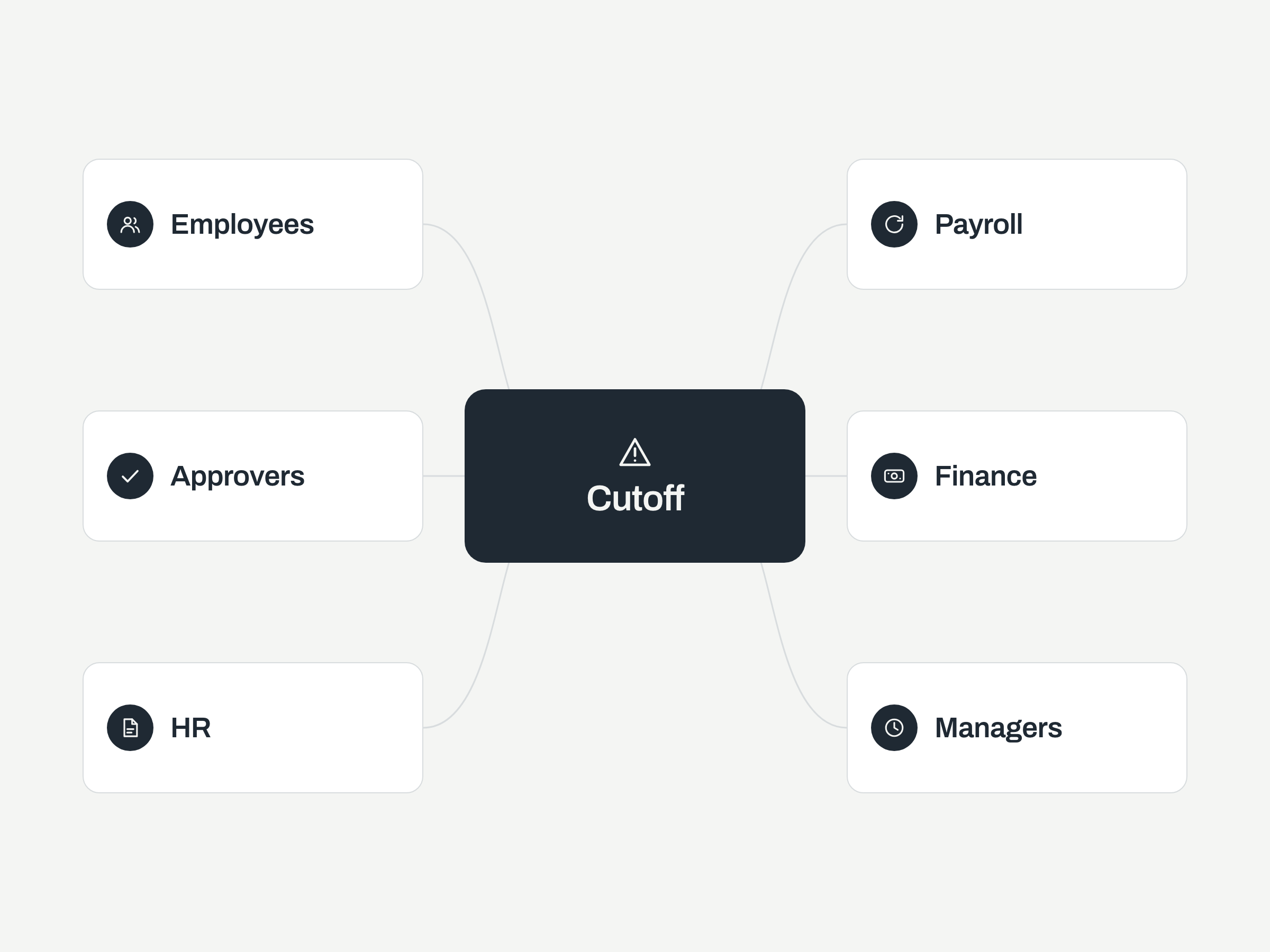
Employees, approvers, HR, payroll, finance, and managers each own a part of the cutoff. A system can make ownership visible, but the business still needs clear policies and timely action.
When the records sit apart, the team re-enters data, checks mismatches, and carries duplicate work into every cutoff. Ask how the proposed system handles the records your people already reconcile by hand.
Compliance at implementation is not ongoing readiness. Wage orders, tax tables, and contribution rates keep changing after go-live. BizKit updates the system for every government ruling that affects payroll, including DOLE wage orders and labor rules, BIR tax tables, and SSS, PhilHealth, and Pag-IBIG contribution tables, and communicates each change to your team.

A payroll process that depends on one person's memory is fragile during leave, turnover, or a busy cutoff. Centralized rules, documented steps, and clear ownership protect continuity while keeping responsibility with the team.
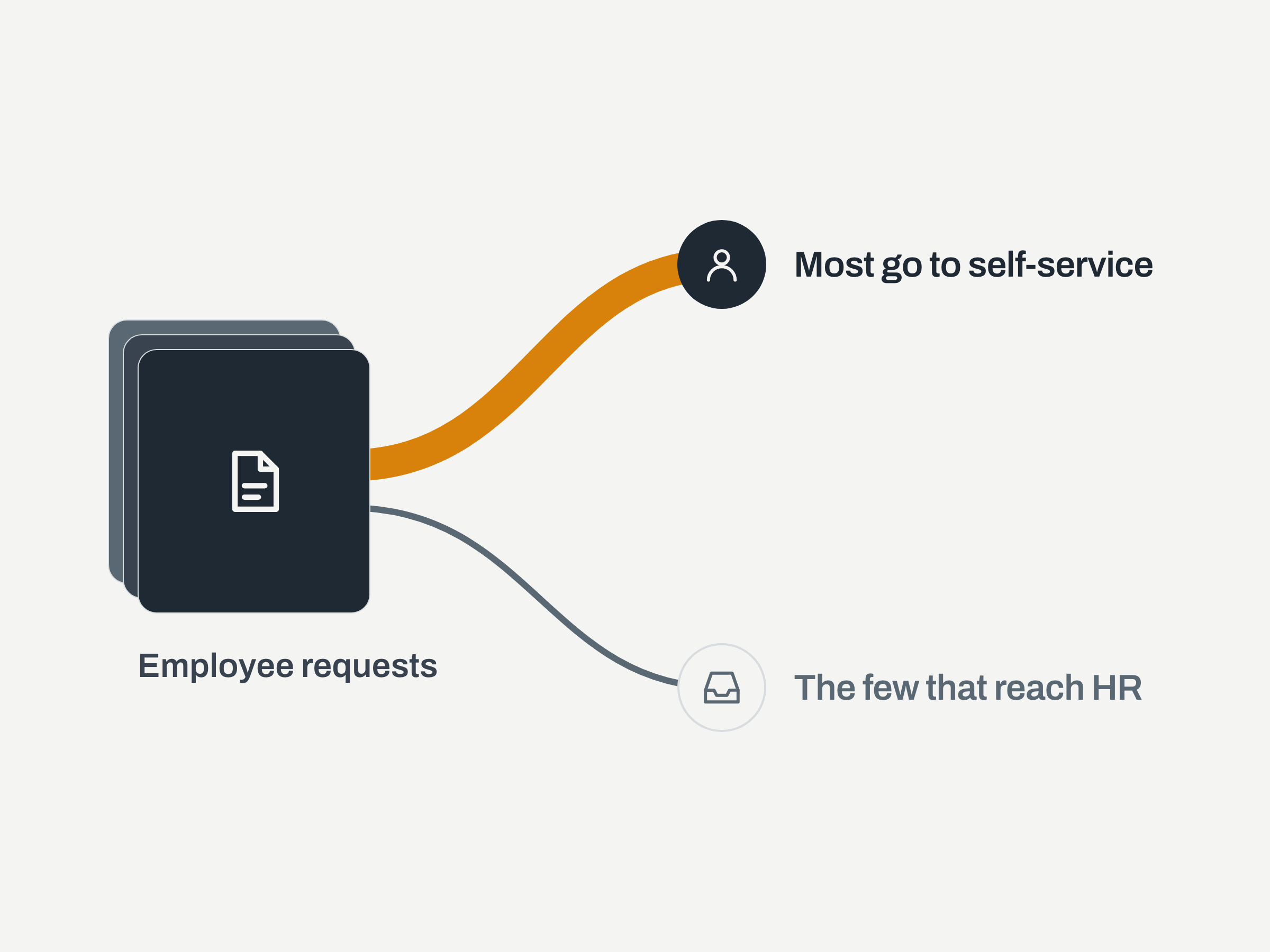
Certificates, loan verifications, ID replacements, employee records, attendance questions, and other requests can bury HR between cutoffs. Self-service and clear process ownership reduce repetitive work better than adding another person to a fragmented process.
The implementation team makes the process tangible, trains and certifies users, supports the transition, and reinforces correct use. The client tech champion encourages adoption, surfaces gaps, and keeps ownership visible. Both roles are needed.
A vendor can sell payroll software and hand over a login. BizKit implements the payroll and HR system around the payroll calendar, works through the Fit Gap Analysis, prepares data and workflows, trains and certifies users, completes a Parallel Run, and stays involved after go-live to support adoption, compliance updates, continuity, and review of the agreed operating result. Your team still owns internal policies and appoints the tech champion or process owners. BizKit's side is specific: the first live runs are shadowed, the operations team is on standby for adoption monitoring and support, and the operating result you agreed on is reviewed every quarter.
Every BizKit payroll implementation starts with your actual attendance and payroll records, and every policy is tagged fit or gap against DOLE standards before the system is set up. Your administrators are certified on the system, and the prescribed 2-day payroll process is practiced during the Parallel Run before go-live is approved. The first live runs are then shadowed on an agreed payroll calendar.
Start the Complimentary Business Audit with the cutoff, owners, handoffs, policies, and rule changes creating the most pressure. BizKit helps identify cutoff owners, broken handoffs, compliance responsibilities, and support requirements. You get better questions for comparing systems and implementation scope as the business adds people and locations.
Start your Complimentary Business Audit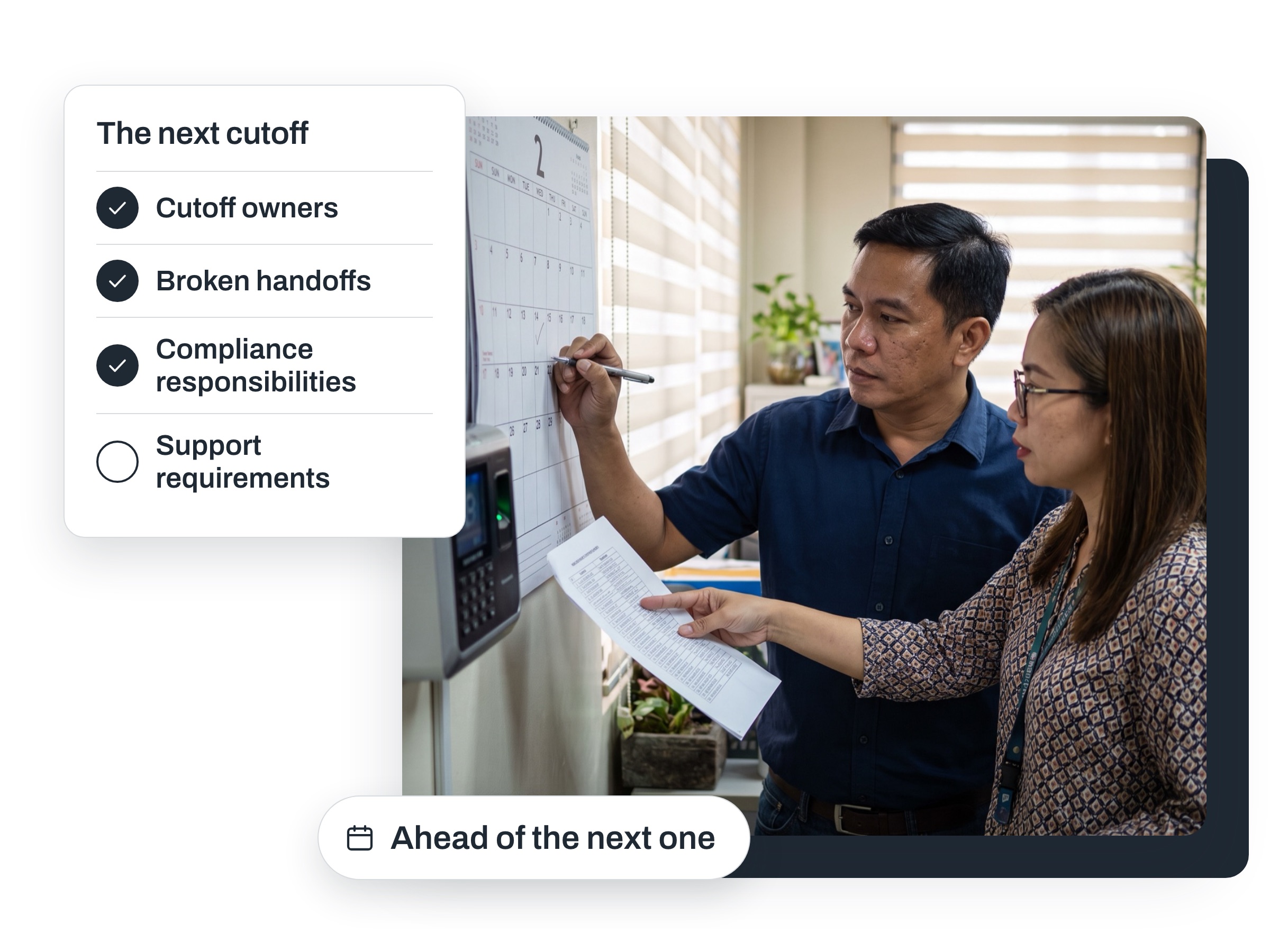
GBMI CUSTOMER STORY
100%
Checked pay items that came out the same in the old and new payroll
Gaisano Brothers Merchandising Inc. (GBMI) moved its payroll onto BizKit's Attendance and Payroll system. Before go-live, the old and new payroll ran side by side. Every pay item checked came out the same in both.
GBMI's payroll had relied on manual steps. Some pay practices did not always match actual attendance. With BizKit, GBMI turned its pay policies into three clear rules the system can enforce. The side-by-side run showed where attendance records still had gaps.
Every required test was done before go-live. Since then, GBMI has needed less support with each cutoff, and it is working toward a 2-day payroll.

The math is one stage. The result depends on complete inputs, clear policies, connected records, user adoption, and support when rules change or a cutoff is at risk.
A spreadsheet may work at a smaller scale. As employees, locations, policies, and compliance requirements grow, the cost reappears as manual checks, delayed payroll, fragmented knowledge, and limited capacity to scale.
Review which steps are skipped, who owns them, and how the partner and internal tech champion will reinforce the intended process.
Compliance today is not readiness for the next ruling. BizKit updates the system for every government ruling that affects payroll, not contribution tables alone: DOLE wage orders and labor rules, BIR tax tables, and SSS, PhilHealth, and Pag-IBIG contribution tables. Each change is applied in the system and communicated to your team.
More capacity may help for a period, but it does not repair fragmented requests, unclear ownership, or one-person knowledge. Map the process before adding headcount.
Start with the input, policy, handoff, or compliance change creating the most pressure. Assess the process first, then decide what system and support it needs.
What keeps slowing your payroll? The quiz has 37 questions in three parts and takes about 15 to 20 minutes. One part covers attendance, government contributions and pay. You get a map of nine areas of the business, the next step in each, and three moves to start with.
Take the Business Growth Bottleneck Quiz